Showing posts with label antioxidants. Show all posts

Tuesday, May 3, 2022

Nutrients in blueberry skin

Blueberry harvest is extensively based on the skin color of fruits, beginning 4 or 5 days after the first berries turn 100% blue to ensure a fruit size and sugar levels accepted by consumers.They can be eaten without peeling or removing seeds, and they are considered to have health-enhancing properties due to high antioxidant levels.

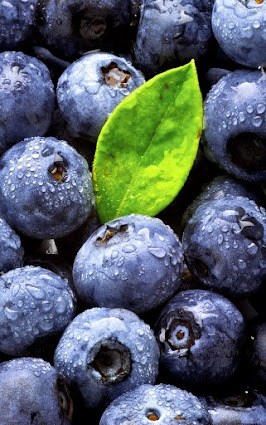
Blueberries are high in vitamins, minerals, micronutrients, fiber and antioxidants. The skin of the blueberry is packed with biologically produced chemicals called anthocyanins. Anthocyanins are natural pigments that run the range from dark red, to blue, to indigo, and deep violet depending on the acidity level of the pigment itself.

Study shows that skin extracts have significantly higher TAA (Total antioxidant activity) than those detected for whole fruit and pulp. Thus, in ripe fruits TAA values in skin were around 7 and 192 times higher than in whole fruit and pulp, respectively (J. Soil Sci. Plant Nutr. v.10 n.4).

The skin of both high-bush and low-bush blueberries contains the highest amount of phenolic compounds. The total phenolic content of blueberries ranges from 21.7 to 47.4 mg/g of dry matter.

Blueberries contain a plant compound called anthocyanin. More than 15 different anthocyanins have been detected in blueberries, with malvidin and delphinidin being the predominant compounds.

These anthocyanins seem to be concentrated in the skin of the fruit. Therefore, the outer layer of the berry is the most nutritious part. The anthocyanins that are present in blueberries have shown cardioprotective, neuroprotective, antidiabetic, and vision-improving properties.
Nutrients in blueberry skin

Friday, January 7, 2022

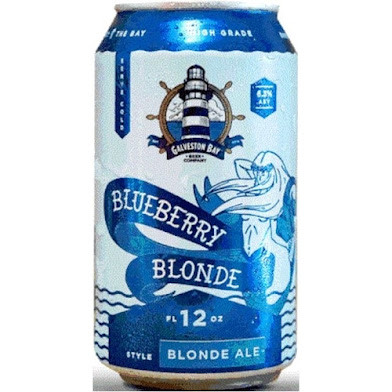
Blueberry beer

Beer is probably the most consumed alcoholic drink in the world, due to its freshness and nutritional value. Fruit beer is a new type of beer product with a low alcohol content and rich in tastes, thus meeting the needs of different consumers. Many fruits are used in fruit beer production, including blueberry.

Fruit beers can be fiercely aromatic, especially when flavored with berries. Blueberry is a fruit rich in antioxidants, with high concentration of polyphenols both in its peel and juice, and a high anthocyanin concentration. Anthocyanins are natural hydro-soluble pigments and phenolic compounds that belong to flavonoids group, responsible for the color diversity observed in fruits, vegetables, leaves and flowers.

Blueberry beer is a kind of nutritious drink, catering people’s needs for health. Compared with ordinary beer, blueberry beer has a higher level of nutrition, including protein, calcium, magnesium, potassium and vitamin as well as better flavor and greater biology and colloid stability.

Blueberries are tiny powerhouse of antioxidant and anti-inflammatory protection. They not only fight heart disease and cancer but they also actually reverse some aspects of aging.
Blueberry beer

Wednesday, December 15, 2021

Polyphenolic compounds in blueberries

Polyphenols or phenolic compounds are secondary metabolites, which are produced in the shikimic acid of plants and pentose phosphate through phenylpropanoid metabolization. They contain benzene rings, with one or more hydroxyl substituents, and range from simple phenolic molecules to highly polymerized compounds.

It is known that these compounds have important antioxidants, exhibit antiglycemic, antiviral, anticancer and antiinflammatory activities and antiallergic and antimicrobial properties.

Plant phenolics are considered to have a key role as defense compounds when environmental stresses, such as high light, low temperatures, pathogen infection, herbivores, and nutrient deficiency, can lead to an increased production of free radicals and other oxidative species in plants.

Blueberries are known as “longevity fruit” fruit because of their high antioxidant capacity against free radicals and reactive species, and are considered one of the largest sources of antioxidants among all fruits and vegetables. More recently, many other potential health benefits have been found that are unrelated to antioxidant capacity. These benefits include reduced incidence of the major modern diseases cardiovascular disease, diabetes and cancer

The plant has been reported contain a complex of antioxidant and antimicrobial molecules—more precisely, polyphenol compounds—with a wide range of anthocyanins.

Blueberry had the highest total phenolic content (TPC, 9.44 mg gallic acid/g DW), total flavonoid content (TFC, 36.08 mg rutin/g DW), and total anthocyanidin content (TAC, 24.38 mg catechin/g DW).

It is well documented that blueberries are rich in phenolics, particularly such as ellagic, gallic, ferulic, catechin chlorogenic and quercetin. Catechin is another important phytochemical of flavonoids found in fruits.

The formation and accumulation of bioactive compounds in the fruits are influenced by several factors, such as genotype, environmental conditions, ripeness, and storage. Moreover, phenolic compounds are particularly sensitive to environmental stress, and their content changes rapidly under the influence of stress.

Study shows that blueberry leaves contain a much larger amount of polyphenols than fruits,5 but no anthocyanins have been found in fresh green leaves.
Polyphenolic compounds in blueberries

Wednesday, October 6, 2021

Bioactive compounds in blueberry leaves tea

Blueberries (Vaccinium spp.), generally regarded as an excellent source of dietary antioxidant, are one kind of popular and healthy fruits worldwide.

The main bioactive compounds in blueberry leaves are similar as in other berry fruits, i.e., phenolic acids and esters, flavonols, anthocyanins, and procyanidins, which could also serve as an effective antioxidant resource or functional food ingredient. They have a number of different health benefits, including lowering fat levels and potentially protecting against hepatitis C. The leaves are also one of the richest sources of chlorogenic acid.

In 2008, researchers conducted a study published in the Journal of Medicinal Food that focused on quantifying phenolic compounds and their antioxidant properties in blueberry leaf infusions, which have been shown to contain antidiabetes properties. Researchers found that the wild blueberry infusion exhibited the highest antioxidant capacity and free radical–scavenging ability.

Blueberry leaf tea were actually the simple water infusions of the leaves without any conventional tea processing steps. The tea sometimes flavored with dried blueberries to give it fruitier flavor.
Bioactive compounds in blueberry leaves tea

Wednesday, September 15, 2021

Blueberries can boost immune system

The immune system consists of organs, cells, tissues, and proteins. Together, these carry out bodily processes that fight off pathogens, which are the viruses, bacteria, and foreign bodies that cause infection or disease. Some foods, especially fruit berries provide plenty of antioxidants with their specific biochemical functions, and are beneficial to health.

Scientists think these antioxidants may help protect you from cancer, heart disease, and dementia, and boost your immune system.

Blueberries contain flavonoids called anthocyanin — a type of antioxidant that can help reduce damage to cells and boost human immune system.

One of the means through which anthocyanins are thought to inhibit tumor formation is linked with their potential immunomodulatory effects, possibly through the stimulation of natural killer cells (NKC; a group of lymphocytes responsible for the immune response to abnormal cells).

Study shows that people who ate foods rich in flavonoids were less likely to get an upper respiratory tract infection, or common cold, than those who did not.
Blueberries can boost immune system

Tuesday, October 6, 2020

Chokeberry: Food Usage And Antioxidant

Chokeberries actually being two varieties distinguished by fruit color in the vast Rosaceae family: the red chokeberry (Aronia arbutifolia) and the black chokeberry (Aronia melanocarpa). Both are native to eastern North America from northern Florida up to Nova Scotia and as far west as Indiana.

Fresh, unprocessed chokeberry fruit, a berry, are rarely consumed due to their astringent taste and can be eaten whole (they are usually canned) and the berries are used for juice, jam, fruit desserts, jellies and wine production in addition to its use as an ornamental shrub for its white flower clumps.

Chokeberries juice is a good option to add to the other fruit juice beverages to enhance the levels of anthocyanins and flavonoids.

Red chokeberry (Aronia arbutifolia) is a small, deciduous shrub that grows 2 to 8 feet tall. Like black chokeberry, it is confined to the eastern United States. Chokeberries occur in wet areas – swamps, wet woodlands and especially in wet fence-rows.

Polyphenols are biofactors that determine the high bioactivity of chokeberries and the berries are a rich source of anthocyanins and procyanidins. Both substances are well known for high antioxidative activity leading to antibacterial, anticancer, antidiabetic, anti-inflammatory, antimutagenic, antiviral, cardioprotective, gastroprotective, hepatoprotective, immunomodulatory and radioprotective activities.
Chokeberry: Food Usage And Antioxidant

Monday, August 31, 2020

Vitamin C in cranberries

Cranberries belong to a group of evergreen dwarf shrubs or trailing vines in the genus Vaccinium subgenus Oxycoccus. Cranberries were found containing various types of bioactives, mostly polyphenols, including proanthocyanidins, anthocyanins, flavonols, and phenolic acids. Cranberries are among a few foods that contain A-type proanthocyanidins.

Cranberry juice is rich source of antioxidants, vitamin C and salicylic acid. Cranberries contain vitamin C as evidenced by the presence of citric acid. One cup of Cranberry juice contained a total 8983 antioxidant capacity. Vitamin C is also an important antioxidant. It is important to recall that the antioxidants β -carotene and vitamin E protect water soluble substances from oxidizing agents; vitamin C protects water soluble substances the same way.

Research shows that people who consume cranberries have lower levels of C-reactive protein, a blood marker of inflammation, which is a known trigger of premature aging, chronic illness, and cognitive decline.

Cranberry juice is becoming a popular beverage. The fresh juice is fully as potent as the fruit, but after extraction, bottling, and processing, little of the vitamin C is retained by the methods now in use. Vitamin C is the least stable of all vitamins and it can be easily degraded during processing and storage. The most harmful factors to vitamin C content are the presence of oxygen, prolonged heating in the air ambiance and exposure to light.

The initial content of vitamin C in wild and cultivated fresh cranberries was differing, which mainly depends on varieties’ individuality.

Whole-fruit cranberry sauce as usually prepared contains approximately 80 per cent of the original vitamin C content, but strained sauce retains less than 10 per cent.
Vitamin C in cranberries

Friday, August 14, 2020

Processing of blueberry wine

The antioxidant activity of this fruit is based on high content of phenolic compounds like anthocyanin, phenolic acids and tannins. These compounds are a current interest due to their important biological and pharmacological properties including antioxidant, antimutagenic, anticarcinogenic, anti-inflamatory, and antiproliferative activities. The ranges of total anthocyanin and total flavonol contents (expressed in mg/kg) varied in blueberries from 1435.2 to 8227.3 and from 172.5 to 327.5, respectively.

Fruit wine is a kind of low alcohol drink with 7% - 18% alcohol concentration, which is made from fresh fruit or fruit juice and fermented in whole or in part. Blueberry wine is a berry fruit wine that has dark red color, pleasant blueberry aroma, and may have a multitude of health benefits.

The later the blueberry is harvested, the higher the sugar concentration mainly in the form of fructose and glucose, which could reach up to about 13%.

Blueberry fruit wine, made from blueberry, mainly goes through fruit selection, crushing (sugar added), fermentation, pressing, post fermentation, filtration, bottling and other processes.

During wine processing, the fruits are pressed to release the sweet juice used for fermentation along with their skins and seeds.

Like red grapes, anthocyanins of blueberries are present mainly in the skins, while tannins and phenolic acids predominate in the seeds. During fermentation process, these compounds are transferred to wine and contribute to the color, mouthfeel, and antioxidant properties of the wine.

Blueberry wine is a unique product. Blueberries are sweet and tart at the same time, yielding a range of taste components that lend themselves to the production of a complex wine.
Processing of blueberry wine

Monday, October 16, 2017

Marionberry seed oil

Cold pressed marionberry seed oil has been reported to contain antioxidants and possess a remarkable radical scavenging activity and oxygen radical absorption capacity when tested with the DPPH (1,1-diphenyl 1-2-picrylhydrazyl) and ABTS cation radical scavenging assays or the oxygen radical absorption capacity.
The major fatty acids in the cold pressed marionberry seed oil were linoleic, α-linolenic and oleic acids. Linoleic acid comprised approximately 63% of the total fatty acids, whereas α–linolenic acid was present at 16%, suggesting the potential use of marionberry seed oil as a dietary source for essential fatty acids.

Cold-pressed marionberry seed oil also contained a significant level of oxygen radical absorbing agents and exhibited an ORAC (Oxygen Radical Absorbance Capacity) value of 17.2 μmol TE/g oil. The oxidative stability of oil mainly depends on the fatty acid composition and the presence of antioxidative compounds. Although marionberry seed oils are highly unsaturated oils, their antioxidative stability may be comparable to refined seed oils.
Marionberry seed oil

Saturday, August 26, 2017

What are the functions of antioxidant?

In biological systems, various biochemical defense mechanism involving enzymes, trace minerals and antioxidant vitamins protect the cellular components from oxidative damage.

Antioxidants are regarded to be safe and healthy in general and to protect cells and tissues from all kinds of environmental and endogenous attacks. In food systems, naturally occurring antioxidants impart a certain amount of protection against oxidation. Antioxidants are a group of chemicals effective in extending the shelf life of a wide variety of food products.
Although there are numerous sources of free radicals, there are also several naturally occurring compounds that can inactivate these reactive molecules. Antioxidants have the capacity to lower the free radical burden. Free radical reactions can be broken into three stages: initiation, propagation and termination. Antioxidants can affect the generation of free radicals during any of these stages.

Food antioxidants utilize several mechanisms in order to facilitate their actions in the liver including interactions with receptor mediated functions, alteration of specific protein kinase activities, regulation of enzymes expression and activities, direct effects on nucleic acids and nucleoproteins and interaction with oncogenes and oncoproteins.
What are the functions of antioxidant?

Thursday, January 22, 2015

Blueberries can help to fight cancer

Blueberries are a sweet, succulent fruit grown in many parts of the world. They are rich in phytochemicals called flavonoids. Flavonoids such as anthocyanin found in blueberries have a different chemical structure compared to other common antioxidants such as vitamin C which makes them three to four times more potent.

Antioxidants neutralize the effect of ‘free radicals’ which are unstable molecules that can attack human cells and damage their DNA.

Study published in 2007 in Clinical Cancer Research conducted by Rutgers University and USDA found that pterostilbene, a compound present in blueberries is of great interest for the prevention of colon cancer. Pterostilbene (trans-3,5-dimethoxy-4-hydroxystilbene) is a natural dietary compound and the primary antioxidant component of blueberries.

The pigments in blueberries are powerful antioxidants. The pigment provides the characteristics color of blueberries. They have been determined to be a much-heralded chemical warrior against heart disease and also cancer. The antioxidant fight cancer is primarily located in the blue pigment in the berry.

The antioxidants in blueberries also may protect against disease like Parkinson’s, Alzheimer’s and other neurodegenerative disease.

In addition to their powerful anthocyanins, blueberries contain another antioxidant compound called ellagic acid, which blocks metabolic pathways that can lead to cancer.
Blueberries can help to fight cancer

Wednesday, March 12, 2014

Blueberries reduce the risk for cardiovascular disease

Inflammation and oxidative stress are large contributors to the development and progression of cardiovascular diseases including hypertension, atherosclerosis and heart failure.

The plant compounds that make blueberries that rich shade of blue are called anthocyanin, and they are powerful antioxidants that help protect the structures of the entire vascular system.

Research by University of Maine, Orono, concluded that a diet containing wild blueberries may reduce the risk from cardiovascular disease.

The anthocyanins in blueberries and also other berries can reduce the levels of total plasma cholesterol and LDL cholesterol.

In addition to the roles that various vitamins and minerals play in human nutrition, blueberries contain many antioxidants, phytosterols, enzymes and other phytochemicals that may benefits human health. These may work independent of, or in concert with, existing nutrients.

Many of these compounds have been elated to reduced risk for coronary heart disease and cancer as well as reducing inflammation processes.

Polyphenolic fractions from blueberry protected membrane lipids from oxidation. The polyphenols also reduced the up-regulation of inflammatory mediator involved in the recruitment of leucocytes to sites of endothelial inflammation or damage.

This is to suggest that blueberry bioactives may have protective, beneficial actions against oxidative and inflammatory stress in the vascular system.
Blueberries reduce the risk for cardiovascular disease

Saturday, November 15, 2008

Blueberries as Herbal Medicine

Blueberries as Herbal Medicine
Blueberries have a rich folkloric history as an herbal medicine. At one time, a tea made by steeping the roots of the blueberry bush was thought to calm women during childbirth. Native Americans credited blueberry juice and syrup a cure for coughs. Scandinavians used dried blueberries to treat children with diarrhea.

Lately scientific evidence emerging from labs all over the country tells us that blueberries are potent little disease warriors. These blue beauties are packed with powerful antioxidants called anthocyanins – the pigment that makes them blue – and other flavonoids, including condensed tannins. In fact, when compared with the antioxidants in dozens of other fruits and vegetables, those in blueberries have a greatest capacity to destroy unstable oxygen molecules called free radicals. Without antioxidants, free radicals careen around the body attacking cells and causing damage that paves the way for cancer and heart disease. Antioxidants also may hamper the build-up of LDL cholesterol and reduce the risk of blood clots that cause strokes.
Blueberries as Herbal Medicine

Friday, September 26, 2008

Health benefits of Blueberries

Health benefits of Blueberries
Blueberries are a good source of fiber and vitamins C. Blueberries are fat free and, at about forty calories per half-cup serving, they are low in calories. Which each bite of these midnight blue pearls, your body gets a generous dose of good health.

Blueberries have a rich folkloric history as an herbal medicine. At one time, a tea made by steeping the roots of the blueberry bush was thought to calm women during childbirth. Native American credited blueberry juice and syrup as a cure for coughs. Scandinavian used fried blueberries to treat children with diarrhea.

Lately, blueberries have been called ‘Miracle Berries,’ ‘Super Food and ‘Fruit of The Year.’ That’s because scientific evidence emerging from labs all over the country tells that blueberries are potent little disease warrior. These blueberries are packed with powerful antioxidants called anthocyanins – the pigment that makes them blue – and other flavonoids, including condensed tannins. When compared with the antioxidants in dozen of other fruits and vegetables, those in blueberries have the greatest capacity to destroy unstable oxygen molecules called free radicals. Without antioxidants, free radicals careen around the body attacking cells and causing damage, then paves the way for cancer and heart disease. Antioxidants also may hamper the build-up of LDL – (low density lipoproteins) cholesterol and reduce the risk of blood clots that cause strokes.

Free radicals also cause brain cells to age more quickly, which can lead to memory loss as well as impaired balance and coordination. In animal studies that anthocyanins in blueberries might help the brain stay young and resist the slowdown typically associated with aging. They may even reverse short term memory loss.

The juicy orbs contain more than forty compounds, such as ellagic acid, thought to prevent cancer. Blueberries also may improve night vision and ward off molecular degeneration, a condition that can lead to blindness. In addition, researchers have found that blueberries, like cranberries, contain a substance called proanthocycanidin, or condensed tannin, that world to keep the urinary tract healthy and free of infection. Proanthocycanidins make harmful bacteria so slippery that they are swept out of the body in the urine before they can stick to the urethra or bladder and cause an infection.
Health benefits of Blueberries

The Most Popular Posts

BannerFans.com